She called support at 9 a.m. and told the whole story: wrong item, six days of waiting. At 2 p.m. she sent an email and told it again from the top. That evening she opened the live chat and told it a third time — to someone who had never heard of her.
Three tellings is three small withdrawals from a customer’s patience.
We have watched this exact scene at almost every support team we have worked with. Nobody there is lazy — information just gets stuck somewhere between tools that do not talk to each other. Meanwhile, most of the questions those teams answer every day are almost identical.
So here are seven ways teams use AI agents to break that loop. You don’t need a technical background to start — you just need to picture them running in your business.
1. Answer the same questions instantly — the easiest place to automate work processes
Every support team drowns in the same ten questions: “How much is shipping?”, “What’s your refund policy?”, and “Do you have this in stock?”. An AI agent learns your pricing, policies, and product docs, then answers these in seconds on live chat, WhatsApp, and email.
Sound familiar? Those three questions are most of your inbox, and none of them need a person.
Customers get answers at 3 a.m. Your team stops re-typing the same reply all day. That’s a faster experience — and a support inbox that finally stays under control.
2. Support multiple languages without hiring a single translator
Your next customer might write in Vietnamese, English, Japanese, or Spanish — and they won’t wait while you translate. An AI agent replies in the customer’s own language, keeping your tone and policies consistent across every market.
A small local shop suddenly looks like a polished, international brand. You expand your reach overnight, with zero new hires and zero translation costs.
3. Read, classify, and route every request to the right person
Billing, technical support, and sales questions all need different people — but customers send everything to one inbox. The AI reads each message, works out the topic and urgency, and routes it to the right department with the context already attached.
This is the least glamorous place to automate work processes, and often the one that saves the most hours: nobody has to read the whole inbox each morning just to guess what’s urgent.
Urgent refund requests jump the queue, routine questions get answered on the spot, and nothing slips through the cracks. Your team spends time solving problems instead of sorting emails.
4. Handle complaints gracefully — and escalate only when it matters
Complaints are where most businesses lose customers, usually by being slow or defensive. An AI agent receives the complaint, verifies the order details, and proposes a fair solution that follows your exact policy — a refund, a replacement, or a discount.
When a case is truly sensitive or emotional, it hands off to a human with a complete summary attached. The customer never has to tell that story a fourth time.
That balance of speed and empathy is what keeps a frustrated customer from leaving for good.
5. Help customers order and track shipments right inside the chat
Picture a customer asking “Where is my order?” and getting a real tracking link in seconds — that’s exactly what an AI agent does. Connected to your store and shipping systems, it checks inventory, creates orders, and pulls tracking numbers inside the conversation.
Customers serve themselves without digging through your website or calling a hotline. Fewer “where’s my stuff” tickets means your team has time for the actual problems.
6. Collect feedback after every conversation — automatically
You can’t improve what you don’t measure, but nobody enjoys chasing survey responses. An AI agent asks one short, friendly question about satisfaction at the end of each conversation, then quietly records the answer.
Over time it rolls everything into a simple weekly report: what customers love, what frustrates them, and where your team should focus next. Effortless feedback that turns vague guesses into real, usable data.
7. Sell more by recommending the right product at the right time
Every support conversation is also a selling opportunity — if you can do it without sounding pushy. An AI agent looks at a customer’s purchase history and needs, then suggests products that genuinely fit: the spare part for the item they bought, the upgrade that solves their problem, or the accessory everyone else adds.
Because the recommendation is relevant rather than random, it feels helpful instead of salesy. That’s customer support that quietly pays for itself.
What is a customer-service AI agent?
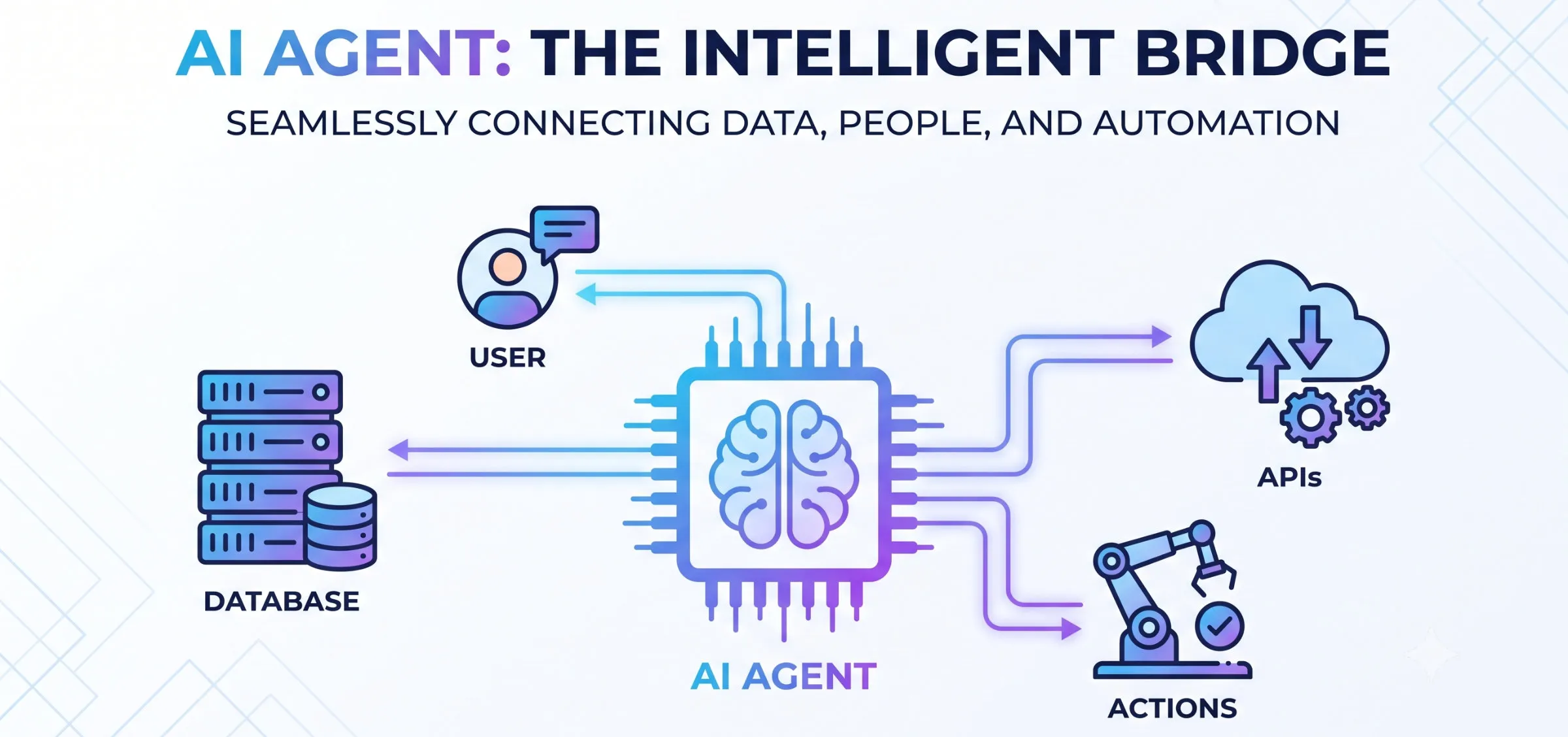
A customer-service AI agent is far more than a chatbot firing off canned answers. It’s a purpose-built system that reads emails, looks up order data, updates your CRM, and replies to customers — all inside your workflow and following your rules.
A chatbot waits for a scripted prompt. An agent actually acts: it checks inventory, processes a refund, or books a callback on its own.
If your team is still passing the same stories hand to hand, that loop is a good place to start. Mon AI builds exactly this kind of agent for businesses of every size — see a live demo of an agent at work, or get in touch to map out what an agent could do for your team.