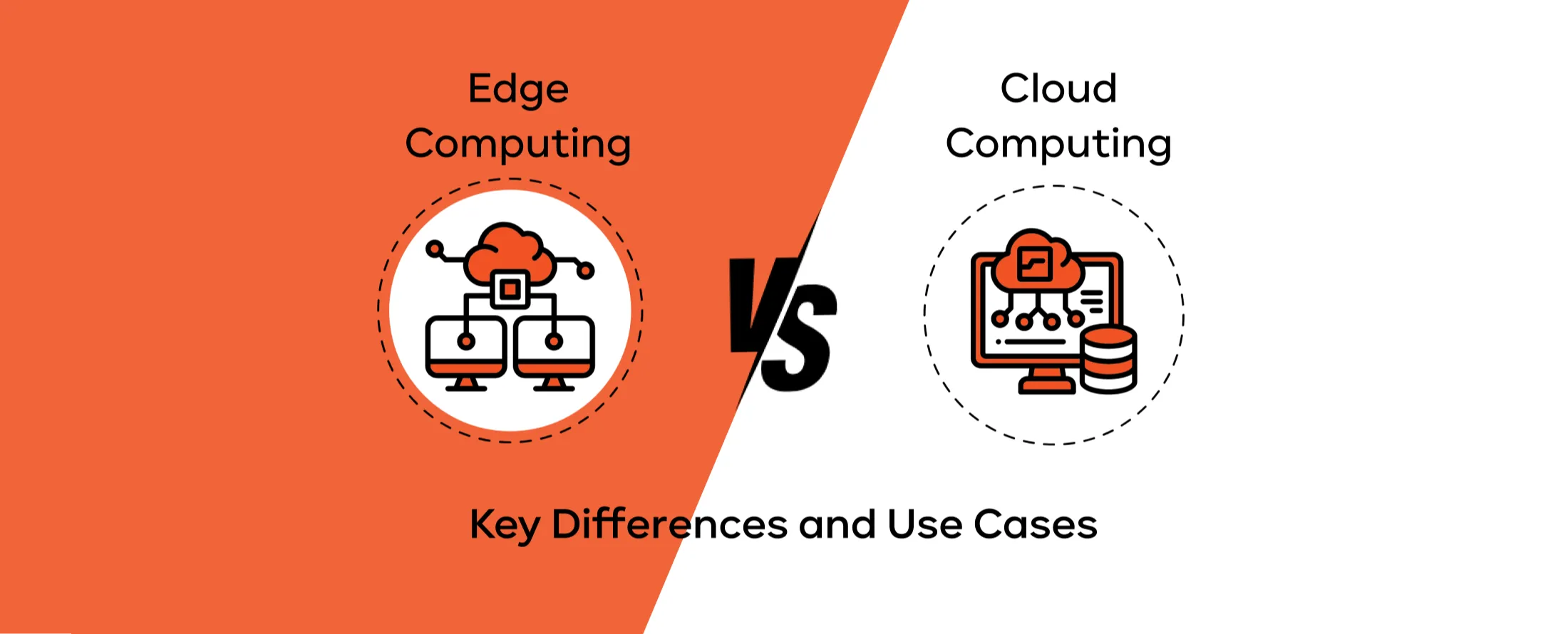
Edge Computing vs Centralized VPS: Đâu Là Lựa Chọn Tối Ưu Cho Kiến Trúc Hiện Đại?
Trong nhiều năm qua, Centralized VPS (Máy chủ ảo tập trung) như DigitalOcean, Linode, AWS EC2 hay máy chủ vật lý on-premise luôn là lựa chọn mặc định của phần lớn lập trình viên khi bắt đầu một dự án web hay ứng dụng backend.
Tuy nhiên, sự trỗi dậy mạnh mẽ của các mạng lưới phân tán (Global Distributed Networks) và mô hình Edge Computing (Điện toán biên) đang làm thay đổi căn bản cách chúng ta thiết kế, vận hành và tối ưu hóa chi phí cho hệ thống hiện đại.
Liệu Edge Computing có thực sự vượt trội hơn VPS truyền thống? Khi nào nên chuyển đổi và cần lưu ý những gì? Bài viết này phân tích chuyên sâu mọi khía cạnh từ hiểu lầm, kỳ vọng đến các rào cản kỹ thuật thực tế.
📌 Tóm tắt so sánh: Centralized VPS vs Edge Computing
| Tiêu chí | Centralized VPS (Truyền thống) | Edge Computing (Hiện đại) |
|---|---|---|
| Vị trí tính toán | Tập trung tại 1–2 Data Center (vd: Singapore, US) | Phân tán tại hơn 300+ Point of Presence (PoP) toàn cầu |
| Độ trễ (Latency) | 80ms – 350ms phụ thuộc khoảng cách người dùng | Cực thấp (< 10ms – 30ms) ngay tại biên mạng người dùng |
| Mô hình vận hành | Tự quản trị OS, cập nhật bản vá, cấu hình Load Balancer | Serverless mặc định – Zero DevOps, tự động scale theo mili-giây |
| Cơ chế Caching | Cache tầng ứng dụng (Redis) hoặc CDN tĩnh tách rời | Cache trực tiếp on-edge kết hợp với xử lý logic động |
| Bảo mật | Tự cấu hình Firewall máy chủ, dễ lộ IP gốc | Decouple logic & DB, ẩn IP gốc, bảo vệ bởi Edge WAF (Cloudflare, Akamai) |
| Tối ưu chi phí | Trả tiền cố định cho tài nguyên nhàn rỗi (24/7) | Giảm đến 90% chi phí khi áp dụng đúng kiến trúc Edge Patterns |
| Thách thức chính | Nghẽn cổ chai mở rộng quy mô, chi phí dự phòng cao | Cần thay đổi tư duy kiến trúc, nguy cơ Vendor Lock-in, thị trường nhân lực |
❌ 2 Sự lầm tưởng kinh điển về Edge Computing
Trước khi bước vào phân tích kiến trúc, cần làm rõ hai nhận định sai lầm rất phổ biến:
1. Lầm tưởng 1: “Edge Computing tốn kém hơn On-Premise hoặc máy chủ riêng”
- Thực tế: Nhiều doanh nghiệp khi so sánh chỉ nhìn vào đơn giá lý thuyết mà bỏ qua TCO (Total Cost of Ownership - Tổng chi phí sở hữu).
- Để duy trì một máy chủ On-Premise hoặc cụm VPS tự quản trị đáp ứng SLA cao, bạn phải trả chi phí cho phần cứng dự phòng (redundancy), đường truyền leased-line, điện năng làm mát 24/7, bản quyền phần mềm và đặc biệt là chi phí đội ngũ DevOps/SysAdmin trực sự cố 24/7.
- Ngược lại, Edge Computing tính phí theo cơ chế pay-per-execution (mili-giây). Khi không có request, chi phí tính toán bằng 0. Khi traffic tăng đột biến, hệ thống tự động scale mà không cần trả trước hàng ngàn USD cho hạ tầng nhàn rỗi.
2. Lầm tưởng 2: “Edge Computing chỉ dành cho doanh nghiệp Enterprise quy mô toàn cầu”
- Thực tế: Edge Computing là công cụ cân bằng sức mạnh tốt nhất cho Startup và doanh nghiệp SMB.
- Các nền tảng Edge hiện đại (Cloudflare Workers, Fastly Compute, Vercel Edge Functions) cung cấp gói khởi đầu cực kỳ dễ tiếp cận với hàng triệu lượt gọi miễn phí mỗi tháng. Một lập trình viên độc lập hay một công ty khởi nghiệp quy mô nhỏ đều có thể triển khai hệ thống có tốc độ và độ tin cậy ngang hàng các tập đoàn đa quốc gia chỉ trong vài phút.
🚀 6 Sự mong đợi và lợi thế cốt lõi của Edge Computing
Tại sao các hệ thống hiện đại đang dịch chuyển từ mô hình VPS tập trung sang Edge? Dưới đây là 6 giá trị then chốt:
1. Toàn cầu hóa tức thì và triệt tiêu độ trễ (Sub-30ms Latency)
Trên VPS truyền thống đặt tại Singapore, một người dùng từ Mỹ hay Châu Âu truy cập sẽ phải chịu độ trễ mạng (RTT) từ 150ms – 300ms cho mỗi lượt round-trip. Với Edge Computing, logic xử lý được đẩy ra các PoP gần người dùng nhất, đưa độ trễ xử lý về mức dưới 30ms bất kể vị trí địa lý.
2. Hạn chế phân tầng hạ tầng, tinh gọn và dễ kiểm soát
Kiến trúc VPS truyền thống thường cồng kềnh với nhiều lớp: DNS → CDN → Reverse Proxy (Nginx/Traefik) → Load Balancer → Container/VM → Internal Cache → DB.
Ở mô hình Edge, toàn bộ các tầng trung gian từ routing, SSL termination, load balancing đến compute được hợp nhất vào một mặt phẳng điều khiển duy nhất (Single Control Plane), giảm thiểu tối đa điểm lỗi (Single Point of Failure).
3. Caching on Edge vượt trội
Khác với CDN thông thường chỉ cache file tĩnh (HTML, CSS, JS, hình ảnh), Edge Computing cho phép:
- Cache dữ liệu động (Dynamic API responses) với logic điều kiện thông minh.
- Tự động biến đổi dữ liệu, xác thực Auth token ngay tại Edge trước khi quyết định gọi về máy chủ gốc (Origin Server).
- Tận dụng cơ chế Cache API cấp thấp (như
caches.default) để lưu trữ các kết quả tính toán phức tạp ngay cạnh người dùng.
4. Serverless là mặc định (Zero-Ops & Instant Scaling)
Không còn nỗi lo thiếu RAM, đầy ổ cứng, cấu hình swap hay hệ điều hành bị crash nửa đêm. Bạn chỉ cần viết code và deploy. Nền tảng biên tự động khởi động các worker cô lập (V8 Isolate) trong thời gian dưới 5ms (không bị hiệu ứng Cold Start nặng nề như container-based Serverless truyền thống).
5. Tăng cường bảo mật vượt trội: Decouple Logic & Tích hợp Firewall DNS
- Decouple hoàn toàn giữa Logic và Database: Ứng dụng chạy ở Edge không nắm giữ kết nối trực tiếp hoặc vĩnh viễn tới Database lõi, loại bỏ nguy cơ hacker chiếm quyền điều khiển toàn bộ máy chủ backend qua lỗ hổng server.
- Tích hợp sẵn WAF & Anti-DDoS: Nằm ngay sau hạ tầng DNS của các nhà cung cấp như Cloudflare hay Akamai, toàn bộ lưu lượng độc hại, tấn công DDoS Layer 3/4/7 và bot tự động bị chặn đứng tại biên mạng trước khi chạm tới mã nguồn của bạn. IP nguồn của cơ sở dữ liệu và hệ thống nội bộ được ẩn hoàn toàn.
6. Giảm chi phí vận hành lên tới 90% nếu thiết kế đúng Edge Patterns
Khi áp dụng các mẫu thiết kế chuẩn Edge:
- 80% – 95% các yêu cầu đọc (Read Requests) được xử lý và trả về từ Edge Cache hoặc Edge Key-Value Store.
- Số lượng request cần “chạm” vào database lõi giảm từ 10 đến 20 lần.
- Thay vì phải thuê 5–10 VPS cấu hình cao để gánh tải, bạn chỉ cần một cụm Database nhỏ gọn làm Origin, trong khi toàn bộ tải tính toán và phục vụ người dùng được mạng Edge gánh với chi phí rẻ hơn nhiều lần.
⚠️ 3 Trở ngại thực tế khi chuyển dịch sang Edge Computing
Dù có nhiều ưu điểm vượt bậc, Edge Computing không phải là “viên đạn bạc” cho mọi bài toán. Đội ngũ kỹ thuật cần lường trước 3 thách thức lớn:
1. Đòi hỏi tư duy kiến trúc mới (Paradigm Shift)
- Lập trình trên Edge sử dụng môi trường rút gọn (V8 Isolates / Web Standards APIs) thay vì môi trường Node.js hoặc Python đầy đủ.
- Các thao tác chạy nền nặng (long-running background jobs), tác vụ render video/xử lý ảnh nặng hoặc ứng dụng duy trì stateful memory kéo dài không phù hợp để chạy trực tiếp trên Edge Worker.
2. Hạn chế về nguồn nhân lực lập trình có kinh nghiệm
- Đa số lập trình viên hiện nay quen thuộc với kiến trúc Monolith hoặc Microservices trên Docker/VPS truyền thống.
- Việc tìm kiếm kỹ sư am hiểu sâu về Distributed Data Consistency, Edge Storage (KV, D1, Vectorize, Durable Objects) và Cache Invalidation Patterns vẫn còn tương đối khan hiếm trên thị trường.
3. Nguy cơ Vendor Lock-in
- Mỗi nền tảng Edge (Cloudflare Workers, AWS Lambda@Edge, Fastly VCL/Compute, Deno Deploy) có các API và dịch vụ lưu trữ biên (Edge DB, KV) với cơ chế hoạt động riêng.
- Nếu không sử dụng các abstraction layer chuẩn (như Web Standards API, Astro, Hono framework), việc di chuyển giữa các nhà cung cấp trong tương lai sẽ tốn nhiều công sức refactor mã nguồn.
🎯 Kết luận & Lời khuyên triển khai
| Trường hợp nên chọn Edge Computing | Trường hợp nên giữ Centralized VPS |
|---|---|
| Ứng dụng web, API, E-commerce phục vụ người dùng phân tán đa khu vực | Ứng dụng Monolith truyền thống kế thừa (Legacy Systems) |
| Hệ thống cần phản hồi cực nhanh, yêu cầu độ trễ < 50ms | Các tác vụ nặng về tính toán CPU liên tục (Data Science, Video Encoding) |
| Đội ngũ muốn tập trung viết sản phẩm, không muốn tốn nguồn lực nuôi DevOps | Ứng dụng cần kết nối liên tục qua TCP sockets tùy biến sâu hoặc phần mềm yêu cầu quyền root OS |
| Muốn tối ưu triệt để chi phí hạ tầng và bảo mật ngay từ đầu | Hệ thống nội bộ (Internal Tool) chỉ truy cập trong một mạng LAN/Văn phòng cố định |
Chiến lược tối ưu nhất hiện nay: Áp dụng Kiến trúc Lai (Hybrid Architecture) — Đặt toàn bộ lớp giao diện (Frontend SSR), định tuyến API, Caching và Bảo mật tại Edge Layer, trong khi giữ các tác vụ xử lý chuyên sâu hoặc cơ sở dữ liệu quan hệ tại các cụm máy chủ chuyên dụng phía sau.